
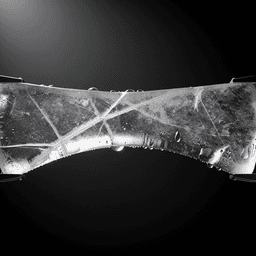

Field synthesis is the practice of identifying published results across multiple disciplines, recognizing structural connections between them, and proposing integrated research pathways for evaluation by domain experts.
Owner
Therapeutic Relevance
The project presents two theoretical papers — one on DNA hydration shell asymmetry and one on ice flexoelectricity. The DNA hydration paper proposes a scientifically plausible mechanism (asymmetric hydrogen bonding governing hydration shell ordering in the minor groove) that could be biologically relevant to DNA charge transport and damage detection, with a speculative link to oncology. However, the mechanism is entirely conceptual with no experimental validation, the therapeutic connection is extremely distant (molecule → shell → chromatin → cell is highly speculative), and the ice flexoelectricity paper has no therapeutic relevance whatsoever (it concerns thunderstorm charging, space ice, and tidal signals). The DNA paper does target a biologically relevant structure (DNA minor groove hydration), and the cited literature on DNA conductance changes from mismatches/damage is real, but the leap from 'hydration shell is part of an electrical pathway' to any therapeutic intervention is not articulated beyond vague oncology speculation. Scientific plausibility is moderate for the DNA paper but the therapeutic pathway is underdeveloped.
Therapeutic Optionality
The DNA hydration paper mentions potential applicability to 'other confined-water biological systems' and draws a speculative causal chain from molecule to shell to chromatin to cell, with a brief mention of oncology (DNA damage detection via electrical signatures). This suggests some conceptual flexibility. However, no specific therapeutic areas are developed beyond vague references, and the ice flexoelectricity paper contributes nothing to therapeutic optionality. The concept of asymmetric hydration shells could theoretically extend to drug-DNA interactions (the paper notes drug binding disrupts chiral water structure), protein hydration, or membrane systems, but these are not meaningfully explored. The flexibility of the concept exists in principle but is not demonstrated or articulated in any actionable way.
Intellectual Property
The core synthesis — connecting Harrellson et al.'s hydration solid framework with Gunkel et al.'s hydrogen bond asymmetry at the DNA minor groove — appears genuinely novel. The authors explicitly state these two findings have not previously been intersected. The proposed mechanism (asymmetric H-bond matching to chemically inequivalent acceptors governing ordering and exchange) and the specific experimental designs (D2O/H2O + chiral SFG, symmetric sandwich control for ice bilayer) are original contributions. The ice flexoelectricity paper's 4-step charging mechanism (bend → polarize → gather → strand) and the specific bilayer experiment with symmetric sandwich falsification control are also novel. Prior art risk is relatively low for these specific conceptual syntheses, though the underlying measurements belong to others. The main IP limitation is that these are purely theoretical proposals — no reduction to practice — and the concepts may be difficult to patent without experimental demonstration. The novelty of the intellectual contribution is strong, but patentability of a field synthesis paper without data is uncertain.